Beware of Zoonotic Diseases Ahead of Eid al-Adha, IPB University Expert Outlines Criteria for Healthy Sacrificial Animals
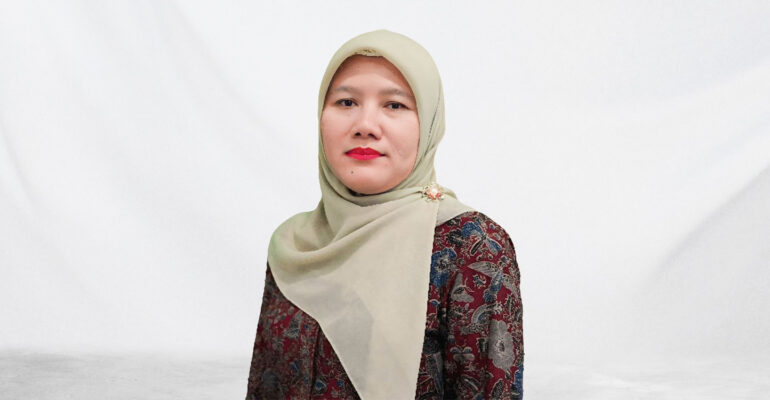
As Eid al-Adha approaches, Dr drh Herwin Pisestyani, MSi, a lecturer at the School of Veterinary Medicine and Biomedical Sciences (SKHB) at IPB University, urges the public to be more careful in selecting sacrificial animals. The public needs to be aware of diseases that can infect sacrificial animals and understand the medical and religious criteria for their suitability.
“Sacrificial animals such as cows, goats, and sheep are susceptible to various diseases, including those that can be transmitted to humans, known as zoonoses,” she said.
One common zoonotic disease affecting goats and sheep is orf, a contagious skin disease caused by the pox virus. She noted that the characteristic feature of this disease is the appearance of scabs and thickening of the skin around the mouth, nose, feet, and teats.
“Transmission to humans can occur through direct contact with the scabs of sick animals, especially if there are open wounds on the skin,” she explained.
Dr Herwin further explained that another disease to be wary of is scabies, caused by mites such as Psoroptes bovis and Sarcoptes scabiei. Infected animals typically exhibit symptoms like itching, dull fur, and crusts on the skin. Transmission to humans can occur through direct contact.
Equally dangerous is tuberculosis in animals caused by Mycobacterium bovis which is also a concern. This disease can be transmitted to humans through contaminated air or consumption of unpasteurized milk.
“Transmission can occur if someone inhales dust or droplets from an infected animal or through skin wounds,” she added.
In addition to zoonotic diseases, there are also diseases transmitted between animals such as pink eye, epizootic septicemia, hepatic fascioliasis, diarrhea, foot-and-mouth disease (FMD), and lumpy skin disease. These diseases, if left untreated, can cause economic losses and pose risks to public health.
Regarding the criteria for suitable sacrificial animals, Dr Herwin emphasized the importance of considering both health and religious aspects. Quoting a hadith from Tirmidzi, he explained that animals eligible for sacrifice must be healthy, not lame, not blind, not emaciated, and of sufficient age.
“Medically, a healthy sacrificial animal can be identified by its physical condition, such as standing upright, bright eyes, clean fur, and responsiveness to its environment. Its appetite should also be good and show normal activity,” she explained.
Sacrificial animals must also be free from physical defects such as broken horns, torn ears, or severed tails. To meet the age requirement, ideally cows and goats should have permanent teeth. If this is difficult to find, goats that are one year old and entering their second year are still permitted.
To prevent the spread of disease among animals, Dr Herwin urged sacrifice committees to implement preventive measures in accordance with animal health standards. He suggested that committees ensure each animal arriving has a Health Certificate for Animals (SKKH) from the relevant authority.
“Additionally, animals must be housed in suitable temporary shelters, provided with food and water during the holding period, and fasted for 12 hours before slaughter, though water should still be provided,” she said.
If sick or suddenly deceased animals are found, Dr Herwin continued, the committee must immediately report to the department officials responsible for animal health and livestock. This will help minimize the risk of disease transmission. (dr) (IAAS/LAN)