IPB University Rector: The poor are more likely to be the most disadvantaged by the environmental crisis
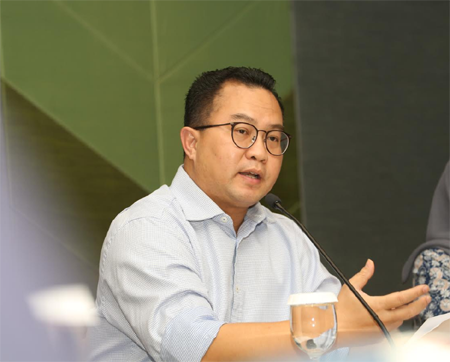
According to the Rector of IPB University, Prof. Dr. Arif Satria, Indonesia is suggested to experience a clean water crisis and is predicted that in 2025 nearly two-thirds of the world's population will live in areas dealing with water shortages. In 2030, climate change will increase the number of poor people to one hundred million lives. Food prices will rise to 12 percent, whereas 60 percent of the expenditure are for food.
"The current environmental and natural resource crisis is not a technical problem but a governance crisis. This means that there is a failure to regulate the actions of actors / parties (state, privates and community) who have an interest in resources. Among these actors, the community (poor people) has the weakest position. They are also the most disadvantaged in the event of an environmental crisis. For example if a flood occurs, the rich can flee to hotels. Even though the ones who damage the environment the most are not them, "he said in a press conference for the Pre-Scientific Oration at IPB International Convention Centre (IICC), Bogor (9/1).
On this occasion, Prof. Arif quoted research results submitted by Forsyth. According to Forsyth, the poor are not the cause of environmental damage but the rich who uses more of the resources. Poor people are very aware of the negative effects of a damaged environment because they are very dependent on nature to live. Poor people can manage the environment better if incentives and information are available. Unfortunately their traditional knowledge is still ignored.
"Talking about governance is talking between state, privates and community interactions. In managing natural resources, the community has not been portrayed optimally. The community must be invited in collaboration. Based on the results of his research, coastal communities were able to manage natural resources. In West Lombok, there is a sawen system. Namely the rules of when people can cut down trees in the forest, plant rice and go fishing. There is a local authority named mangku alas (forest), mangku bumi (rice field) and mangku laut (sea). Each group builds coordination and collaboration in the management of each ecosystem. They believe this sawen can maintain the preservation of natural resources. Therefore, for new governance, we must emphasize collaboration between the government, the private sectors and the community, " he added. (Zul)