A Group of IPB Researchers Utilized Bacteria as Biopesticides for Nematodes
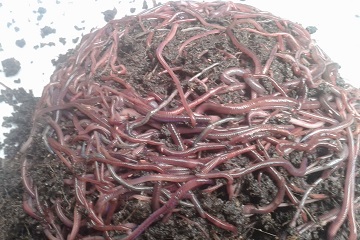
An endophyte is an endosymbiont, often a bacterium or fungus, that lives within a plant for at least part of its life cycle without causing apparent disease. Endophytes are ubiquitous and have been found in all species of plants studied to date; however, most of the endophyte/plant relationships are not well understood. Some endophytes may enhance host growth, nutrient acquisition and may improve the plant's ability to tolerate abiotic stresses, such as drought, and enhance resistance to insects, plant pathogens and herbivores. The consortium of endophytic bacteria is a new breakthrough in the development of biocontrol agents of plant parasitic nematodes. Use of microbial consortium tends to give better results than single isolate, because the action of enzyme of each type of microbe can complement each other in order to survive. Bacteria have specific and different modes of actions between bacteria and other bacteria. To date there is still much unknown about the mechanism of endophytic bacteria in controlling plant pathogens, especially nematodes.
Abdul Munif and Supramana from the Department of Plant Protection, of the Faculty of Agriculture (FAPERTA) and Elis Nina Herliyana of the Department of Silviculture, Faculty of Forestry (FAHUTAN) both of Bogor Agricultural University (IPB) implemented the research program on endophytic bacteria as biopesticide for plant parasitic nematode control.
Abdul Munif said the present study aims to determine the potential of endophytic, the bacteria that live in wild in form of a consortium as a control agent of plant parasitic nematodes. From the results of his research, this researcher found that the consortium of endophytic bacteria isolated from various plants has a great opportunity as a control agent of plant diseases, especially parasitic nematodes and it can formulated further to be biopesticides.
A total of 80 consortium of endophytic bacteria successfully isolated from 19 different plants and had been tested its ability as a controlling agent of Meloidogyne sp root nematode (NPA) on tomato plants. The effectiveness of the endophytic bacterial consortium as a biological agent is evident from the declining NPA nematode populations in soil and roots and is able to suppress the extent of root damage caused by NPA. Application of endophytic bacteria consortium has been also able to increase the growth of tomato plants.
The endogenous bacterial consortium of TmtN2 and TmtN5 have the best suppression on NPA parasite infections by 80 percent. The researcher also performed physiological rucidity and found that some endophytic bacterial consortiums are capable of producing protease enzymes, chitinase enzymes, hydrogen cyanide, nitrogen fixing, and capable of dissolving phosphorus.
Protease enzymes, chitinase enzymes, and hydrogen cyanide are thought to play an important role in controlling disease-causing pathogens and promoting plant growth. The results of this study has indicated the consortium of endophytic bacteria has good potential as a biological agent or biopesticide against of parasitic nematodes as well as a driver of plant growth. (Wied)