Recognize the Signs of Kidney Disease in Cats, IPB University Expert Shares Tips on Prevention and Management
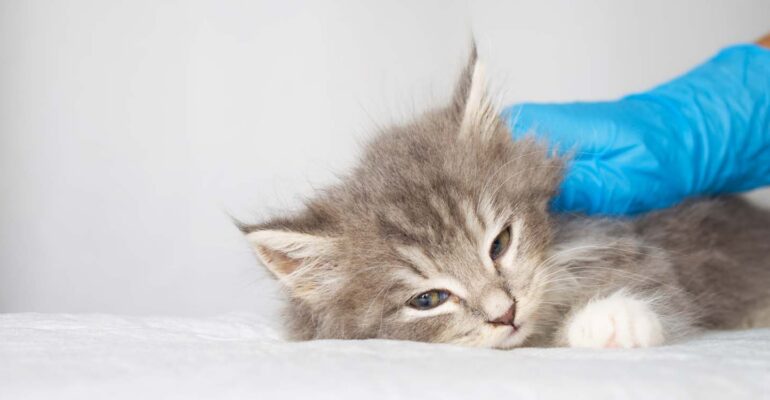
Kidney disease is the most common chronic condition in older cats, surpassing diabetes and heart disease in terms of prevalence. This condition includes chronic kidney disease (CKD) and kidney stones (nephrolithiasis), which can become serious problems if not treated promptly.
“Kidney disease in cats can be caused by toxins (such as lilies, antifreeze, and human medications), infections, trauma, and other conditions like hyperthyroidism and hypertension,” said Prof Ronny Rachman Noor, an expert in ecological genetics at IPB University.
Prof Ronny explained that symptoms of kidney disease in cats develop gradually and typically appear only when kidney function has significantly declined. Common signs include excessive thirst, changes in urination patterns, digestive issues, dry gums, reduced skin elasticity, sunken eyes, weight loss, vomiting, and breath that smells of ammonia.
He advised cat owners to watch for early, subtle signs of kidney disease. It is important to have blood and urine tests performed regularly, especially for cats over seven years old, to maintain their health and ensure timely treatment.
“To understand kidney disease, which develops slowly and often shows no symptoms, cat owners are advised to monitor changes in their cat’s drinking and urination patterns. If there is a significant increase, consult a veterinarian immediately for proper treatment,” said Prof Ronny.
Prof Ronny provided steps to help prevent kidney disease in beloved cats. First, ensure your cat stays hydrated by providing fresh water or running water such as from a water fountain and feed wet food to increase water intake. This step is crucial for maintaining their health and comfort.
Second, have blood and urine tests performed regularly every 3–6 months to monitor your cat’s kidney health. In addition, a kidney ultrasound is recommended to monitor for diseases or stones, so that appropriate action can be taken immediately.
“Another important point is that cat owners must be cautious. Avoid giving human medications, such as acetaminophen or ibuprofen, as they can be toxic to cats. Take your cat to the vet immediately if symptoms appear, as early symptoms are often mild and easy to overlook. Don’t just rely on dietary changes without consulting a veterinarian,” said Prof Ronny.
As an initial treatment, Prof Ronny emphasizes that cat owners should act quickly when the first symptoms appear, because kidney disease in cats often shows no symptoms until the condition worsens. Prompt diagnosis, dietary adjustments, fluid therapy, and routine checkups can help cats live longer and remain comfortable.
“If a cat is diagnosed with CKD, feed it a low phosphorus renal diet with high quality protein. For kidney stones, the veterinarian may recommend a struvite dissolving diet. Cats may also be prescribed subcutaneous fluids, antihypertensive medications, supplements for anemia, or antibiotics to treat infections. All of this is done to maintain your pet’s health with the utmost care and attention,” explained Prof Ronny. (MHT) (IAAS/HLF).