
IPB University Set to Implement RPL, Expanding Access to Experience and Competence Based Higher Education
IPB University is preparing to implement Recognition of Prior Learning (RPL) as one of the admission routes for new students. The implementation of RPL is scheduled to begin in the even semester of the 2026/2027 academic year, once all academic frameworks and the team of assessors have been finalised.
The Vice Rector for Education and Student Affairs, Prof Deni Noviana, stated that the implementation of RPL at IPB University already has a regulatory framework, management structures at both institutional and programme levels, as well as implementation guidelines. One of the preparatory steps being undertaken is the training of prospective assessors who will evaluate applicants enrolling via the RPL pathway.
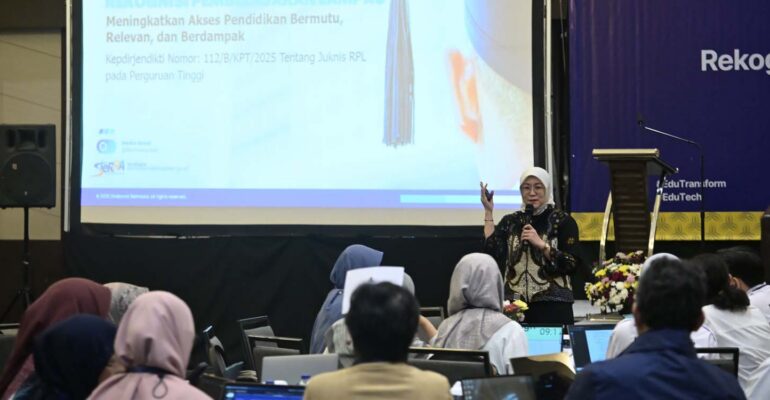
“Once all the necessary structures and the assessment team are in place, we aim to begin implementing RPL in the even semester of the 2026/2027 academic year,” he said during the RPL Training of Trainers (ToT) event at the IPB International Convention Centre (IICC) in Bogor on Monday (6/29).
This event was organised by the Directorate of Educational Transformation and Learning Technology (DTPTP) at IPB University in collaboration with the Directorate General of Higher Education, Science and Technology (Diktisaintek) as part of the preparations for the implementation of RPL. The ToT was aimed at programme leader and secretaries within IPB University.
Prof Deni explained that RPL will be one of the admission routes for new students into both undergraduate (S1) and postgraduate programmes, with the exception of the medical profession programme and several other professional programmes. Through this mechanism, participants’ work experience and prior learning outcomes can be recognised as learning achievements following an assessment process.
He believes that RPL is a strategic policy to broaden public access to higher education, particularly for professionals, practitioners, civil servants (ASN), and individuals who have acquired competencies through work experience, training, certification and non formal learning.
Nationally, the recognition of learning outcomes through RPL can reach a maximum of 70 per cent of the total study load. Although they receive recognition for some of their learning outcomes, students admitted via the RPL pathway still follow the regular lecture programme alongside other students until they have fulfilled all academic requirements.
“RPL is not a shortcut to obtaining a degree. RPL is an academic mechanism that recognises competencies through an objective, measurable and accountable assessment process. Therefore, expanding access must go hand in hand with quality assurance,” he emphasised.
The training featured speakers from the Kemdiktisaintek, namely Anggoro Suryo Pramudyo and Dr Sandra Aulia Zanny, who is also a member of the Expert Team on the Recognition of Prior Learning.
Through the implementation of RPL, IPB University hopes that more members of the public with relevant experience and skills will be able to pursue higher education without compromising academic standards, whilst also strengthening IPB’s position as one of the country’s leading universities in the delivery of RPL. (dh) (IAAS/INT)

