
IPB University’s PKSPL Unlocks the Potential of Mangrove Crabs in East Halmahera
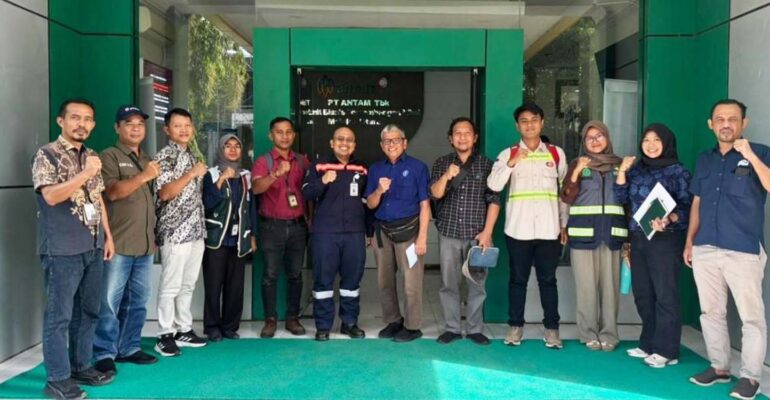
The Center for Coastal and Marine Resources Studies (PKSPL) at IPB University conducted a scientific assessment for the development of a mangrove crab (Scylla spp.) aquaculture program in East Halmahera Regency, North Maluku (6/3–7). This activity serves as the first step in designing a model for the empowerment of coastal communities based on a sustainable blue economy.
The assessment was conducted in collaboration with PT Aneka Tambang (ANTAM) North Maluku Nickel Mining Business Unit (UBPN) as part of its corporate social responsibility (CSR) program and community empowerment initiatives.
A team of PKSPL IPB University aquaculture experts, consisting of Dr Irzal Effendi and Muhammad Qustam Sahibuddin, MSi, conducted surveys in several coastal areas with potential for mangrove crab development.
Dr Irzal explained that the survey was conducted to obtain a comprehensive overview of resource potential, mangrove ecosystem conditions, site suitability, socioeconomic aspects of the community, institutional frameworks, and the commercial aspects of mangrove crab cultivation.
“This information is crucial for assessing the ecological and financial viability of the site, as well as for identifying potential ecosystem and social risks to ensure the program’s success in the future. It also helps us understand the challenges and the actual needs of the community so that we can select the most adaptive, efficient, and easily adoptable aquaculture technology approach for the local community,” he explained.
East Halmahera possesses abundant mangrove crab potential. Mangrove crabs are a high value fisheries commodity with significant export market potential and can serve as a new economic driver for the local community.
“This collaboration is a tangible manifestation of the pentahelix synergy between academia and the industrial sector. Through this measurable scientific assessment, we and PT ANTAM UBPN North Maluku aim to ensure that the mangrove crab aquaculture developed in the future not only provides economic benefits for residents but also maintains the long-term sustainability of the coastal ecosystem,” Qustam added.
The assessment was conducted using the rapid rural appraisal (RRA) method, including in depth discussions and interviews with community leaders and residents at the survey sites. The survey was carried out at several locations with potential for mangrove crab farming activities.
Going forward, this program is not only aimed at increasing production through mangrove crab farming, but also has the potential to be integrated with restocking activities to ensure the sustainability of wild mangrove crab populations. (*/Rz) (IAAS/SSR)

