IPB University Expert Warns of Zoonotic Risks in Sacrificial Animals
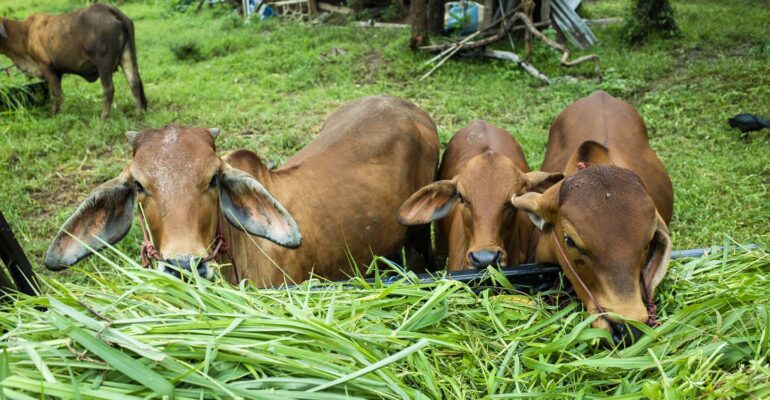
Lecturer at the School of Veterinary Medicine and Biomedical Sciences (SKHB) of IPB University, Dr drh Herwin Pisestyani, emphasized that selecting healthy sacrificial animals is important not only from a religious perspective, but also as a key measure to protect public health.
“Sacrificial animals such as cattle, goats, and sheep are vulnerable to various diseases, including those transmissible to humans, known as zoonoses,” she stated.
She explained that one of the common zoonotic diseases found in goats and sheep is orf, a skin disease caused by a poxvirus infection. The disease is characterized by scabs and skin thickening around the mouth, nose, feet, and udders of the animals.
According to her, transmission of orf to humans can occur through direct contact with infected skin lesions, especially when there are open wounds on human skin.
In addition to orf, the public is also urged to be aware of scabies caused by mites such as Psoroptes bovis and Sarcoptes scabiei. Infected animals usually experience itching, dull fur, and crust formation on the skin.
“Transmission to humans may occur through direct contact,” she explained.
Dr Herwin also highlighted the threat of bovine tuberculosis caused by Mycobacterium bovis. The disease can spread through contaminated air or the consumption of improperly cooked milk.
“Transmission may occur when a person inhales dust or droplets from infected animals or through skin wounds,” she added.
Besides zoonotic diseases, there are also contagious animal diseases such as pink eye, hemorrhagic septicemia, hepatic fascioliasis, diarrhea, foot and mouth disease (FMK), and lumpy skin disease.
She noted that these diseases may cause economic losses while also increasing public health risks if not handled properly.
Physical Characteristics of Healthy Animals
Furthermore, Dr Herwin emphasized that proper sacrificial animals must meet both health standards and religious requirements. Medically, healthy animals can be identified by their strong posture, bright eyes, clean fur, responsiveness to their surroundings, and good appetite.
She also stated that sacrificial animals should be free from physical defects such as broken horns, torn ears, or severed tails. In terms of age, cattle and goats should ideally have undergone permanent tooth replacement as an indication that they are old enough for sacrifice.
To prevent disease transmission, sacrificial committees are encouraged to ensure that every animal has a Veterinary Health Certificate (SKKH) issued by the relevant authorities.
In addition, animals should be placed in proper holding pens, provided with sufficient feed and drinking water, and fasted for 12 hours before slaughter while still being given access to water.
If any animal is found sick or dies suddenly, committees are advised to immediately report it to animal health officers so that prompt action can be taken and the risk of disease spread can be minimized. (dr) (IAAS/CAA)