IPB Expert Reveals the Facts Behind the Differences in Sacrificial Meat
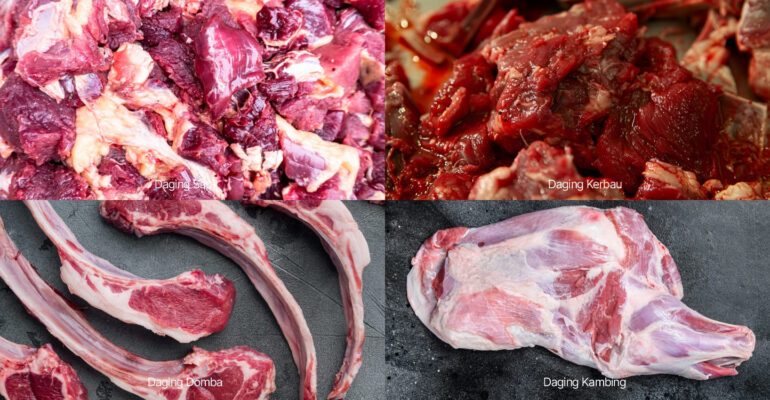
As Eid al-Adha approaches, people are not only busy selecting sacrificial animals but are also becoming increasingly concerned about the quality of the meat they consume. From color and texture to aroma, each type of meat has distinct characteristics.
Dr Henny Nuraini, a lecturer at the Faculty of Animal Science at IPB University, explained that the differences between beef, buffalo, goat, and lamb can be identified by their physical attributes and nutritional content. The influencing factors are diverse, ranging from the type of animal, age, feed, to handling before and after slaughter.
“Physical and nutritional differences in meat are influenced by the type of animal, age, sex, feed, pre and post slaughter handling, muscle activity, cooking methods, and the chemical reactions that occur,” she explained.
One of the easiest indicators to recognize is the color of the meat. According to Dr Henny, color is influenced by myoglobin content. The higher the myoglobin, the darker the meat color. When exposed to air, myoglobin converts to oxymyoglobin, producing a bright red color, which then gradually turns reddish brown due to metmyoglobin.
Color
Beef is generally bright red, while buffalo meat tends to be darker. Lamb has a color ranging from bright red to brick red, whereas goat meat is pink and not as bright as beef.
“To ensure freshness, people can cut into the meat and observe the color change. If it returns to a fresh red color after being exposed to air, the meat is usually still in good condition,” Dr Henny elaborated.
Texture
In addition to color, texture also determines meat quality. Texture relates to the level of tenderness and chewiness when consumed. Beef has moderate fibers and isn’t too tough, while buffalo meat tends to be coarser and denser, especially in older animals.
“Texture significantly influences flavor, quality, and the overall experience when consuming meat,” she said.
Meanwhile, goat and lamb meat have finer, softer fibers, making them generally more tender. However, age remains a factor affecting tenderness.
Odor
Odor is another key distinguishing factor. Fresh meat should not have a pungent odor. A sour or rancid smell can indicate spoilage caused by microorganisms. Beef has a relatively mild aroma, while buffalo meat has a sharper scent. Goat meat, especially from male and older animals, has a stronger gamey odor, while lamb tends to be milder.
As a source of animal protein, meat is highly nutritious but also prone to spoilage if not handled properly. Therefore, Dr Henny emphasized the importance of maintaining cleanliness and proper storage.
“Ensure the meat is protected from contamination from the slaughtering process through distribution. If not cooked immediately, store it in the refrigerator or freeze it to maintain its quality,” she concluded. (AS) (IAAS/EXC)