Does Sacrificial Meat Stay Tender and Nutritious? Here’s What an IPB University Expert Has to Say
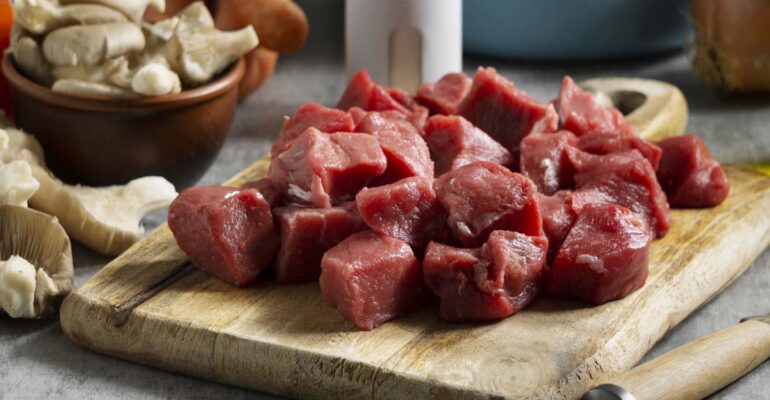
The momentum of Eid al-Adha is always synonymous with an abundance of sacrificial meat at home. However, despite the excitement of preparing satay, curry, or rendang with the family, many people still face the same problem: the meat turns out tough when cooked.
Addressing this issue, Reisi Nurdiani, MSi a lecturer in the Department of Community Nutrition at IPB University, shares a number of practical tips along with scientific explanations on how to make sacrificial meat more tender, delicious, and still nutritious.
According to Reisi, the cooking process significantly affects the nutritional content of meat, primarily protein. She explains that cooking at high temperatures can indeed reduce protein levels, but it actually makes the protein easier for the body to digest.
“Protein in cooked meat does decrease, but it becomes more beneficial because it has undergone denaturation, making it easier for the body to absorb compared to protein in raw meat,” she explained.
Apart from protein, meat is also rich in iron (Fe), which is essential for the body. Unlike protein, the iron content tends to remain more stable even when exposed to heat during cooking.
“Although there has been a slight decrease, the iron content in meat has generally remained largely unchanged,” she said.
To prevent sacrificial meat from becoming tough, Reisi recommends using natural tenderizers before cooking. Besides being easy to find, this method is also considered more practical and safe for daily use.
The two most popular ingredients are papaya leaves and pineapple.
According to her, papaya leaves contain the enzyme papain, which breaks down the protein fibers in the meat, resulting in a more tender texture.
“The method is quite simple. Crush the semi ripe papaya leaves, then rub them onto the surface of the meat and let it sit for a few minutes before cooking,” she explained.
In addition to papaya leaves, pineapple can also serve as a natural alternative for tenderizing meat. This fruit contains the enzyme bromelain, which works in a similar way to papain
“Pineapple can be grated and then spread on the meat before cooking. Besides helping to tenderize it, pineapple also adds a fresh aroma to the dish,” she added.
Not only that, Reisi also mentioned several other ingredients that can be used, such as kiwi, ginger, and fragrant pandan leaves, which are often used in certain recipes.
In addition to using natural ingredients, cooking techniques are also a key factor in producing tender meat.
Reisi explained that each cut of meat requires different treatment. For cuts with coarse fibers that tend to be tough, such as the thigh or shank, slow cooking is highly recommended.
“Tough cuts of meat should be cooked at a moderate temperature for a longer period, such as by simmering slowly. A pressure cooker can also be used to speed up the process while still ensuring tenderness,” she explained.
On the other hand, cuts of meat that are already tender, such as tenderloin or sirloin, don’t need to be cooked for too long. “If you cook them for too long, the texture actually becomes tougher and drier,” she said.
She also suggested cutting the meat according to the type of dish being prepared. For satay, for example, the meat should be cut into small, thin pieces so it cooks quickly while maintaining its nutritional value.
With the right preparation techniques, sacrificial meat not only becomes more tender and delicious to eat but also continues to provide optimal nutritional benefits for the body. (AS) (IAAS/EXC).