IPB Expert Warns of Anthrax Dangers: Meat from Infected Animals Remains Unsafe Even After Cooking, as Spores Can Survive for Decades
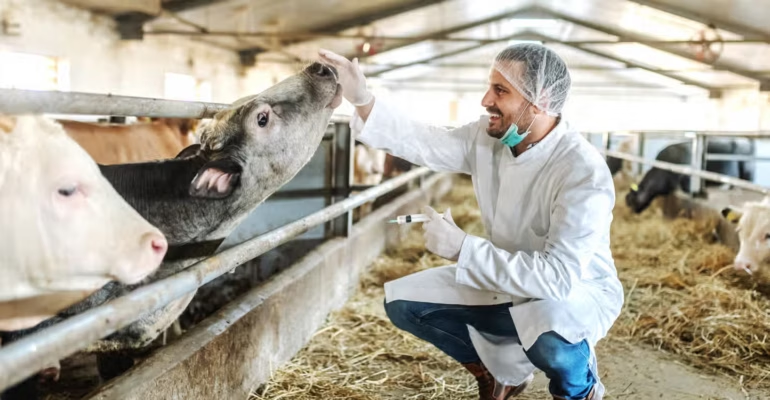
Dr drh Denny Widaya Lukman, a lecturer at the School of Veterinary Medicine and Biomedical Sciences (SKHB), IPB University, emphasized that livestock or other animals infected with anthrax must not be slaughtered for their meat. The meat and internal organs of these animals must not be consumed either, as they pose a risk of transmitting the disease to humans.
“Meat from animals that are sick or die suddenly must not be considered safe for consumption, even if it has been cooked,” he said.
He warned that heating or cooking meat containing anthrax spores cannot guarantee that the spores will become inactive.
Case in Gunungkidul
This statement was made in response to an incident in Pelem Hamlet, Semanu District, Gunungkidul Regency. Four residents were reported to have tested positive for anthrax after consuming meat from a goat that was sick and died suddenly.
The practice, locally known as brandu or porak, is a tradition in the area in which residents purchase livestock that are sick or have died to help ease the financial burden on their owners.
Why Is It Dangerous?
Dr Denny explained that anthrax is caused by the bacterium Bacillus anthracis, which can form spores as a self protection mechanism when environmental conditions become unfavorable.
“Inside the bodies of animals or humans, the bacteria exist in an infective vegetative cell form under anaerobic conditions. Meanwhile, outside the bodies of animals or humans, the bacteria exist in the form of spores,” he explained.
According to Dr Denny, anthrax spores can survive in the environment and soil for decades. Therefore, areas that have previously experienced anthrax cases require special attention to prevent recurring transmission.
One route of transmission from infected cattle or other ruminants is through the consumption of meat or milk contaminated with the bacteria. The meat and internal organs of animals infected with anthrax may contain vegetative bacterial cells that can cause disease in humans.
Symptoms and Risks in Humans
Dr Denny explained that gastrointestinal anthrax, or anthrax affecting the digestive tract, can occur after a person consumes contaminated food. The bacteria and their toxins damage tissues and can then spread through the bloodstream, causing bacteremia.
In severe cases, the infection can progress to sepsis and disrupt the functioning of various organs, potentially resulting in death.
Symptoms may vary depending on the number of spores that enter the body, immune status, age, and whether bacteremia and sepsis develop. Symptoms generally appear within one to seven days after a person consumes meat containing anthrax spores.
Advice for the Public
Dr Denny stated that people living in areas that have previously experienced anthrax cases need to understand the dangers this disease poses to both animal and human health. Knowledge of symptoms in animals, transmission routes, and preventive measures is essential to breaking the chain of transmission.
“People are advised not to consume meat from livestock that are sick or die suddenly. If such an incident occurs, residents should immediately report it to local animal health officers so that it can be handled according to established procedures and further risks can be prevented,” Dr Denny concluded. (dh) (IAAS/HRD)