Is Musth in Sumatran Elephants Deadly? Here’s the Explanation and Medical Management According to an IPB University Expert
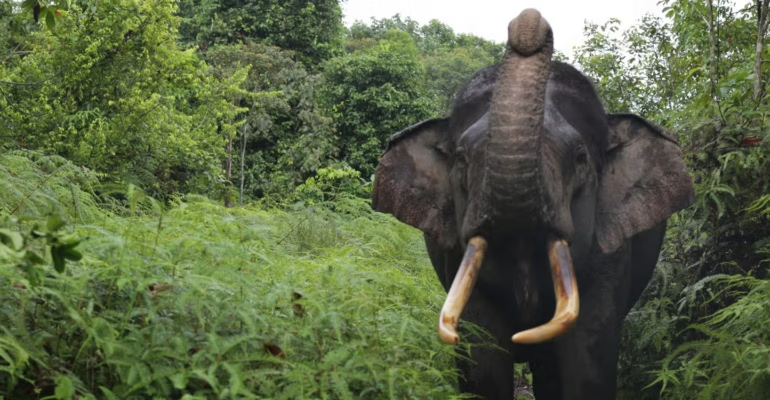
The phenomenon of musth, or male reproductive aggression in Sumatran elephants (Elephas maximus sumatranus), was the focus of attention for IPB University’s expert in ecological genetics, Prof Ronny Rachman Noor, on World Elephant Day on August 12.
Why Do Sumatran Elephants Experience Musth?
Prof Ronny explained that musth is a natural part of the Sumatran elephant’s reproductive cycle, typically marked by a 5 to 7 fold increase in testosterone levels.
During musth, elephants exhibit behavioral changes, becoming more aggressive, experiencing a loss of appetite, and undergoing metabolic stress. This phase usually lasts from several weeks to several months, though it may be prolonged if their habitat is disturbed.
“Sumatran elephants experiencing musth often attack other males and appear to have difficulty controlling themselves. In addition, they also seem more active in seeking out females and displaying dominance within the herd. Their behavior becomes more restles, they frequently flap their ears and raise their heads, indicating significant emotional changes,” explained Prof Ronny.
Male Sumatran elephants exhibit signs of musth around the age of 15–20 years when they reach sexual maturity. At ages 10–15, signs may appear but are milder. Musth is most intense in males aged 25–40 years, which is their peak reproductive period. After age 45, the intensity decreases.
Musth Is Not a Disease
The professor at the Faculty of Animal Science, IPB University, emphasized that musth is not a disease but rather a normal physiological phase in adult male elephants. However, hormonal changes and extreme behavior can lead to serious complications if left unmanaged, especially in Sumatran elephants, which experience musth more frequently than African elephants.
“Risks and complications during the musth phase can include injuries resulting from the elephant’s increased aggression,” said Prof Ronny.
Proper Management Is Essential
Prof Ronny stressed that musth can be fatal for Sumatran elephants if left uncontrolled, necessitating appropriate medical procedures and management, including monitoring testosterone levels and observing behavior to assess the severity of the condition.
“At this stage, it is important to provide high quality feed and supplements to the elephants to keep them healthy and prevent weight loss. Additionally, if male elephants are experiencing musth, they should be isolated from the herd and from humans to prevent conflicts,” explained Prof Ronny.
In extreme situations, veterinarians may administer light sedation, treat wounds, provide nutrition, and isolate the elephants to prevent life-threatening complications. Prof Ronny emphasized that musth does not directly cause death, but rather triggers fatal complications if left untreated.
“We carry out medical procedures and conservation management with the utmost care, including providing nutrition, isolation, hormone monitoring, and wound care,” he said.
Once the elephant’s testosterone levels and behavior have stabilized, it will be gradually reintroduced to its herd. However, Prof Ronny cautioned that medical facilities at conservation centers such as Way Kambas National Park, the Seblat Elephant Training Center (PLG), and Tangkahan still need to be strengthened amid the threat of habitat loss, particularly facilities
“It is important to strengthen medical facilities at conservation centers, such as hormone laboratories, isolation rooms, and IV equipment, to prevent fatal complications and ensure the safety of Sumatran elephants during the musth period,” he emphasized. (MHT) (IAAS/HNY)