IPB University Expert Explains the Causes of and Tips for Eliminating the Fishy Smell in Sacrificial Meat
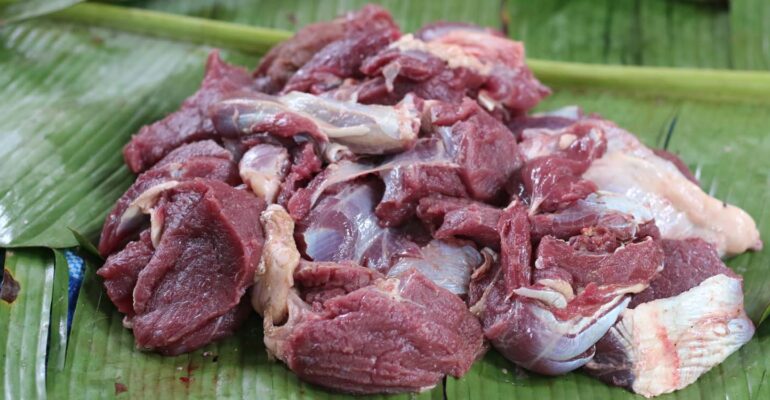
The fishy smell in sacrificial meat is a common complaint. Moreover, during Eid al-Adha, family meals can be less enjoyable if traditional dishes like gulai or satay still have an unpleasant odor.
Dr Tuti Suryati, an expert in Animal Product Technology at IPB University, explains that the fishy odor in meat actually arises from the decomposition of proteins and fats triggered by bacterial activity.
“Bacteria such as Aeromonas, Enterococcus, Acinetobacter, Moraxella, Chromobacterium, and Pseudomonas can thrive on contaminated meat,” she said.
This contamination can stem from residual blood, unclean cutting tools, or human hands during meat handling.
“The fishy odor can be prevented by lowering the meat’s pH using acidic ingredients like lime, lemon, or vinegar. The citric and ascorbic acid content in lime is quite effective at inhibiting the growth of spoilage bacteria,” she explained.
However, Dr Tuti emphasized that lime is not the primary solution, especially if the meat has already begun to spoil. Excessive use of acidic ingredients can also alter the meat’s natural flavor.
She added that the unpleasant odor in meat is not only caused by bacteria but also by fat oxidation. This process occurs when fats undergo hydrolysis and is accelerated by lipase enzymes, whether from the meat itself or from bacteria contaminating the meat.
“The presence of free water in meat can accelerate the fat hydrolysis process, which then triggers oxidation that produces off-flavors or unpleasant odors,” she said.
For this reason, washing meat carelessly is actually not recommended. Excessive water can increase the free water content in the meat and accelerate spoilage.
As an alternative, she suggests using antioxidant rich spices to help reduce fishy odors while slowing oxidation. Kitchen spices such as red onion, garlic, shallots, pepper, coriander, cinnamon, nutmeg, cloves, and star anise are considered effective in helping maintain the meat’s aroma quality during preparation.
To ensure safety, hygiene, and nutritional value, here are Dr Tuti’s tips on how to properly prepare and store sacrificial meat.
If the meat will be cooked immediately:
– Rinse under running water.
– Cook until the internal temperature of the meat reaches 70–80°C to kill bacteria, or for about 30–60 minutes for beef and lamb, depending on the size of the cut.
– Use antioxidant rich spices to slow oxidation.
If the meat is to be stored:
– Wash it under running water and rinse it thoroughly with boiled water.
– Pat the surface of the meat dry with a clean paper towel.
– Store it in the refrigerator until it is cold, then freeze it on the freezer.
– When ready to use, thaw it slowly in the refrigerator for 24 hours.
In addition to processing, Dr Tuti also emphasized the importance of handling sacrificial meat from the very beginning. She recommended ensuring that blood is completely drained during slaughter, maintaining the cleanliness of cutting tools, and expediting meat distribution to prevent bacterial growth.
“Prevention from the start through hygienic handling and proper processing remains the key to maintaining the quality of sacrificial meat,” she concluded. (Ez)(IAA/KQA)