Getting Soaked in the Rain, Can It Really Make You Sick? An IPB University FKGiz Lecturer Explains
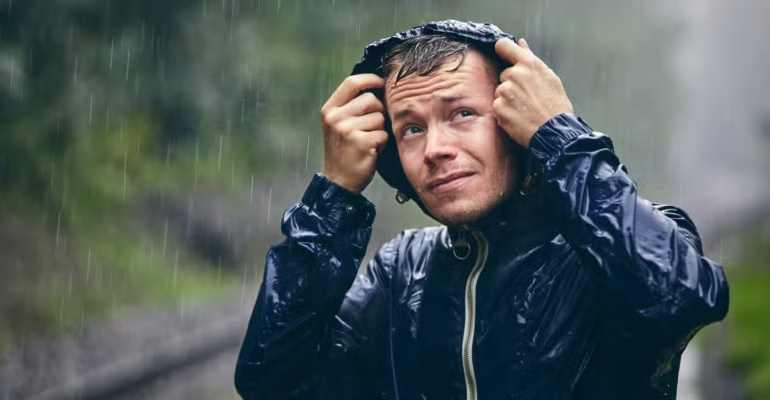
Hair that’s soaked from being caught in the rain or ‘washing your hair with rainwater’ is often linked to various health issues, ranging from the flu to headaches. This belief is still widely held by the public. However, medically speaking, rain or wet hair is not a direct cause of illness.
dr Widya Khairunnisa, a lecturer at the Faculty of Medicine and Nutrition (FKGiz) at IPB University, emphasizes that healthy people need not worry about getting caught in the rain. “Medically speaking, getting your hair wet in a heavy downpour is essentially harmless to healthy people, as long as you rinse your body with clean water afterward and dry your hair immediately,” explained dr Widya.
Does Rainwater Cause the Flu?
So, why is getting caught in the rain often linked to the flu? According to dr Widya, the flu or the common cold is a respiratory tract infection caused by a virus, not by rainwater or wet hair. Therefore, she emphasized, getting caught in the rain does not automatically cause someone to catch the flu.
Nevertheless, dr Widya noted that exposure to cold temperatures can still trigger certain responses in the body. “In cold conditions, the blood vessels in the skin constrict (vasoconstriction) to retain body heat. This can cause a person to shiver and feel uncomfortable.”
“Cold air can also affect the mucous membranes of the nose and respiratory tract, including the mucociliary clearance mechanism, the natural system that clears mucus and germs as well as local immunity in the nose,” dr Widya explained.
Pay Attention to Rainwater Quality
In addition to temperature, there is another factor to consider: rainwater quality. While in the atmosphere, rainwater can interact with dust, air pollutants, microorganisms, and various other substances. These particles can then adhere to the hair and scalp.
“Under certain conditions, exposure to pollutants has the potential to trigger oxidative stress and inflammation, although research directly linking rainwater to hair and scalp disorders remains limited,” said dr Widya.
Therefore, she continued, after getting caught in the rain, hair should be rinsed with clean water and dried immediately. If exposed to rain for an extended period, especially in environments with high levels of dust and pollution, washing the hair with a mild shampoo can help remove any particles that have adhered to it.
Who Needs to Be More Cautious
Although it is not a direct cause of infection, exposure to cold can influence the onset of symptoms in people who have already been exposed to the virus or have certain health conditions.
“Some people need to be more cautious about exposure to cold air, such as those who have a fever, are extremely tired, have a respiratory tract infection, or have asthma and rhinitis. In these situations, cold air can trigger or worsen respiratory symptoms,” dr Widya explained.
dr Widya concluded, “So, the issue isn’t washing your hair in the rain, but rather prolonged exposure to cold, water quality, and a person’s health condition.” (IAAS/HLF)